Descriere
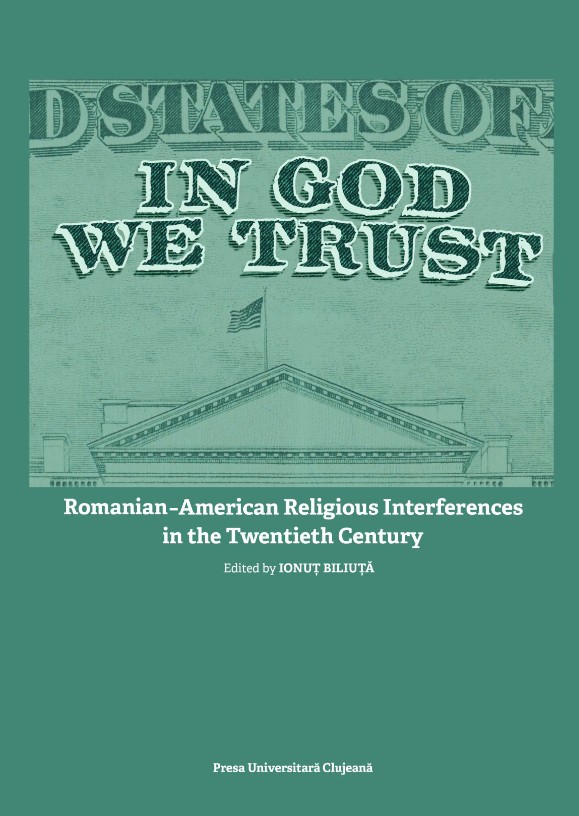
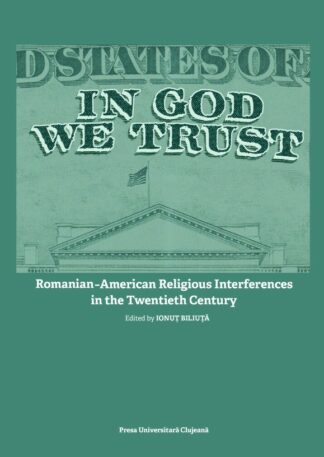
The present book constitutes a starting point for contemporary discussions on the transferability of religious extremism, the political engagement of contemporary Protestant Evangelicals in Romania, or their memory of repression and totalitarianism. It would be a useful instrument for scholars of religion, theologians, historians, and everyday readers interested in religion per se in their attempt to grasp the intricate nature of the American Romanian religious relations over the twentieth century.
To ensure greater accessibility and expand the book’s reach beyond academic audiences, the editor has chosen to preserve some chapters in Romanian. While this decision may slightly impact the book’s linguistic consistency and might prejudice some of the key arguments for a foreign readership, it reflects a commitment to engaging Romanian readers and recognizing its relevance for local scholarly and general audiences. Also, for the same reasons, the chapters have been arranged in chronological order to offer the reader a diachronic perspective adapted to the specific particularities of every period and a glimpse into the interconnectivity linking cases to each other and different denominational and geographic con-texts. Faithful to a comparative perspective, the reader can identify throughout the text’s references to other religious organizations or communities that do not concern the main scope of the book, or to different national or ideological case studies, to avoid the danger of historical and analytical exceptionalism that might describe the US-Romanian religious relation.
Rezumat:
Throughout the twentieth century, the United States–Romania relationship on various levels was deeply contested on both sides of the Atlantic, and remained unclear, underexplored, and often neglected in scholarly research. The challenges posed by Romania’s geographical position across the Atlantic in Eastern Europe and its shifting political regimes over the past century, from a quasi-democracy during the interwar period to a totalitarian dictatorship during communist years, have significantly shaped the trajectory of diplomatic, economic, cultural, and religious encounters between Americans and Romanians. One of the most overlooked dimensions of U.S.-Romanian relations involved the religious interconnections among churches, splinter groups, communities, and individuals on both sides of the Atlantic, but also how the United States diplomatic structures in post-Wilsonian Europe instrumentalized these religious connections in the benefit of US interests on the European continent, especially from 1920s onwards.
ISBN 978-606-37-2582-1